
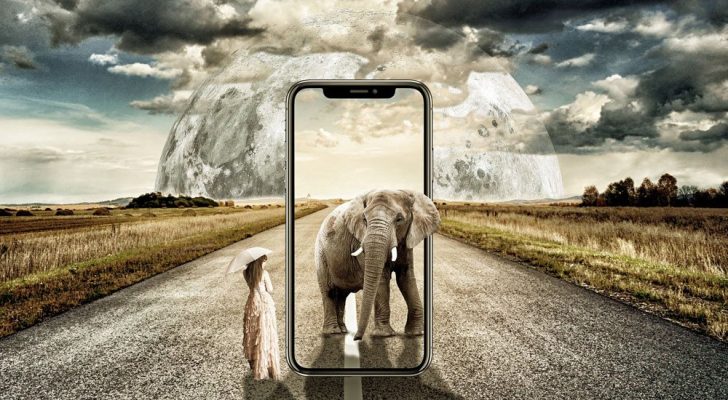
The iPhone X is likely to be a phenomenal success for Apple. But its success will not be driven by anything new that the new phone packs inside. Instead, its success will be based on the phone’s screen size. Essentially, iPhone X provides the same screen real-estate as an iPhone Plus, but with the sleeker form factor of the iPhone 7 or 8.
Apple has done a great job at changing the paradigm of our thinking about the iPhone. If you only care about making phone calls, then an iPhone 4 is good enough. Why pay for more? You probably don’t even need to upgrade your phone for years, as long as the battery keeps holding its charge. However, for most, the actual “phone” function is the least important of the iPhone.
From an earnings perspective, iPhone X will be a tremendous boost. It will increase the average selling price per unit by a few hundred dollars, which should help not just sales, but profit margins as well. This is actually healthy for both Apple and the entire iPhone ecosystem (including DRAM and solid state drive makers — for example, we still have a large position in Micron Technology). People were also postponing buying new iPhones while waiting for the iPhone X; thus, the number of units sold will probably exceed most optimistic expectations.
Then the question becomes, What is next? Higher-priced iPhones will also change the dynamics of the upgrade cycle. Apple is going to have a harder time convincing iFanatics to shell out $1,000-$1,200 every year (or even every two years). The upgrade cycle will likely be elongating to three or four years. Thus, any blow-out success of iPhone X in 2017 and early 2018 will be coming at the expense of future years. Even if you are a loyal Apple shareholder, you have to be prepared for this.
Absent a new category of products, Apple is turning into a fully ripe stock. Yes, it will look statistically cheap based on 2018 earnings, but that will not be the case if you look at 2019 or 2020 earnings. As all the excitement subsides, Apple stock will have to answer an extremely important question: What is next? After all, the value of any business is a lot more than the earnings generated next year, but far beyond that.
Read this before you buy your next stock
Key takeaways
- The success of the Apple iPhone X is less about innovation and more about design — delivering the big-screen experience of a Plus model in the sleek body of a standard iPhone.
- From a financial standpoint, the iPhone X boosts Apple’s earnings power by raising the average selling price per unit, improving both revenue and margins.
- Pent-up demand means sales will likely beat expectations in the near term, but this strength comes at the expense of future years as the upgrade cycle stretches out.
- With iPhones now priced at $1,000 and above, Apple will find it harder to convince even die-hard fans to upgrade every one or two years — three- to four-year cycles will become the norm.
- Without a new product category, Apple iPhone success may not be enough to sustain long-term growth, leaving investors to ask the crucial question: What comes next for Apple?













comments
0